Buying Guides
Seasonal Buying Checklist: When to Shop for Fans, Heaters, and Air Purifiers
A box fan in mid-July costs whatever the market decides it costs that week. The same fan, sitting on a shelf in the second week of September while a store rearranges its aisles for space heaters, is often a different proposition entirely. That gap — between what you pay when everyone wants something and what you pay when nobody does — is the whole game. Fans, heaters, and air purifiers each run on their own calendar, and they don't all peak at the same time. Learn the rhythm and you can stop guessing.
Why the seasonal clock matters more than the brand
Retail buying happens months ahead of the weather. Stores commit to fan orders in late winter and heater orders in summer, then live with the consequences. Unsold seasonal stock is expensive: it occupies warehouse space, ties up cash, and looks tired next to next year's model. So the markdowns cluster in two predictable places — the tail end of a season, when a category is being cleared, and the quiet weeks just before demand returns, when staff are motivated to move what's left.
That gives you two different strategies. End-of-season clearance gets you the deepest cuts, but the selection is whatever survived. Pre-season shopping gets you the full range at close to full price, which is a reasonable trade if you need a specific size, a quiet model, or a replacement before the weather turns. The mistake is buying in the middle of a demand spike, when neither price nor choice is in your favour.
Fans: shop for the last hot week, not the first
Fans are the most forgiving category, because a decent fan bought in September will still be a decent fan next July. Demand peaks during the first genuine heat wave of the summer, and that's precisely when prices firm up and popular models vanish. The better window opens as the heat breaks.
The two windows worth watching
- Late August into September: shelves reset for heating season, and box fans, tower fans, and pedestal fans get pushed to the clearance endcap. This is usually the best combination of price and remaining stock.
- January and February: leftover inventory that didn't sell in the autumn clearance. Selection is thin, but if you want a second fan for a spare room, it's worth a look.
One exception: if a fan is a safety matter rather than a comfort purchase — a household with an infant, an older relative, or anyone whose health suffers in heat — buy before the season at whatever the going rate is. A bargain that arrives after the heat wave has done you no favours. If heat is a genuine health concern in your home, it's worth speaking to a doctor or pharmacist about what to watch for rather than relying on a shopping decision.
Heaters: the shoulder season is your friend
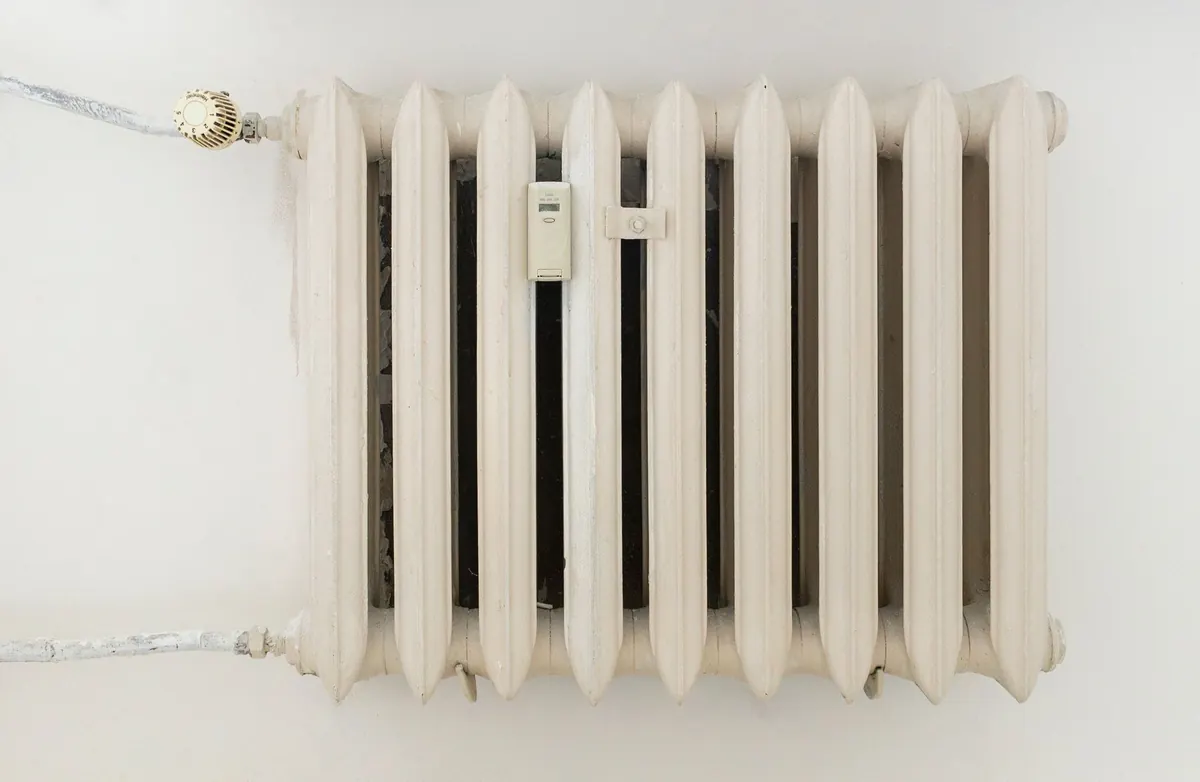
Heaters invert the fan logic slightly. Demand spikes with the first cold snap, usually in late autumn, and again during any prolonged cold spell in January. The clearance window arrives in late winter and early spring, when stores want the shelf space back and the remaining stock is a mix of last year's models and odd colours.
There's a second useful window in early autumn, before the first cold snap. Prices are not dramatically lower, but stock is complete and staff have time to help. If you need a specific type — a ceramic fan heater for a small room, an oil-filled radiator for a bedroom, a panel heater for a hallway — that's when you'll find it.
What to check before you buy
Space heater safety is not a detail. Look for a tip-over switch and an overheat cut-out, keep the unit clear of curtains and bedding, and never run one from an extension lead that isn't rated for the load. Size the heater to the room; an oversized unit in a small space cycles on and off and wastes money. And if you're heating a room you use for hours each day, compare the running cost against improving draught-proofing first — it's often the cheaper fix.
Air purifiers: two calendars, not one
Air purifiers are less seasonal than fans and heaters, but they have recognisable peaks: spring allergy season, wildfire smoke season in summer and early autumn, and the winter holiday sales period when almost everything gets discounted. New models tend to be announced early in the year, which nudges older units down in price shortly afterwards.
The bigger point is that the sticker price is only part of the cost. A purifier is a commitment to replacement filters, and a cheap unit with expensive or hard-to-find filters is a false economy. Before buying, check that filters are stocked locally, note the recommended replacement interval, and confirm the unit is sized for your room in square metres rather than vague marketing language.
A simple month-by-month checklist
- January–February: watch air purifier prices as new models land. Pick over leftover fans. Buy heaters only if yours has failed.
- March–April: heater clearance. If you can store one, this is the cheapest month to buy for next winter. Air purifier prices rise with allergy season.
- May–June: buy fans before the first heat wave if you know you'll need one, accepting near-full price for better choice.
- July–August: hold off unless you're replacing a broken unit. Prices peak with demand.
- September–October: fan clearance, the best window of the year. Heaters are fully stocked but not yet discounted.
- November–December: holiday sales for air purifiers and small appliances. Check whether the "deal" is a real reduction or a pre-holiday markup.
When waiting is the wrong call
Timing is a savings tactic, not a religion. Replace immediately if a device is failing in a way that affects safety — a heater with a frayed cord, a fan that smells of burning, a purifier whose motor has started to grind. Buy now if you're in a smoke event, if a medical condition makes air quality a daily concern, or if you're down to your last working fan during a heat wave. And if you have only one heater in a home with young children or older adults, redundancy is worth more than a discount.
The five-minute check before you click buy
- Measure the room, then match it to the unit's stated coverage — not to the box's largest number.
- Read the filter spec for purifiers and the noise rating for fans and heaters. Bedroom devices need quiet.
- Confirm the return window and who pays return postage on a bulky item.
- Check the warranty length and whether service is local or requires shipping.
- Look at cord length for heaters and purifiers; short cords force awkward placement.
Set a reminder, not a resolution
The practical version of all this is small: put two reminders in your calendar — one in early September for fans, one in late February for heaters — and one price alert on a purifier you've already chosen. When a reminder fires, check the price you saw last time and decide in ten minutes rather than ten weeks. Then buy the model that fits the room, keep the receipt, and stop shopping. The savings come from timing, but the satisfaction comes from owning something that works and forgetting about it.
Photo: Patrycja Grobelny / Pexels
Related Articles